One day is not a life
Robert Donaldson's view of citizenship starts with a calendar. Election day is one square on it. The other 364 squares hold the actual work: showing up for your family, paying attention to your street, keeping your word in small rooms where nobody is filming, building something that employs your neighbors instead of just arguing about who should. A man who is only a citizen on voting day has outsourced his duty to a booth he visits once in a while.
That is why family comes before politics at his table. A dinner table should be stronger than a news cycle; protect your family first, because the rest is noise that changes every four years. The people across the table will still be there when the cycle moves on. Treating them like opponents over a headline is a trade he refuses to make, and he thinks the country would be steadier if more people refused it.
Voting matters, but what you do the other 364 days matters more. One day at a ballot box does not build a life, a family, or a business.
Duty is local and daily
The daily version of duty is unglamorous, which is how he knows it is the real one. It looks like handling a small problem today while it is still cheap. It looks like being useful on your block, in your church, at your kid's school, in the line of work you actually control. It looks like judging candidates the same way you judge anyone: one standard, on the record and the word kept, never by category.
None of it trends. All of it compounds. A town is just the sum of what its people do on the ordinary days, and Robert intends his ordinary days to add up to something his name can stand on.
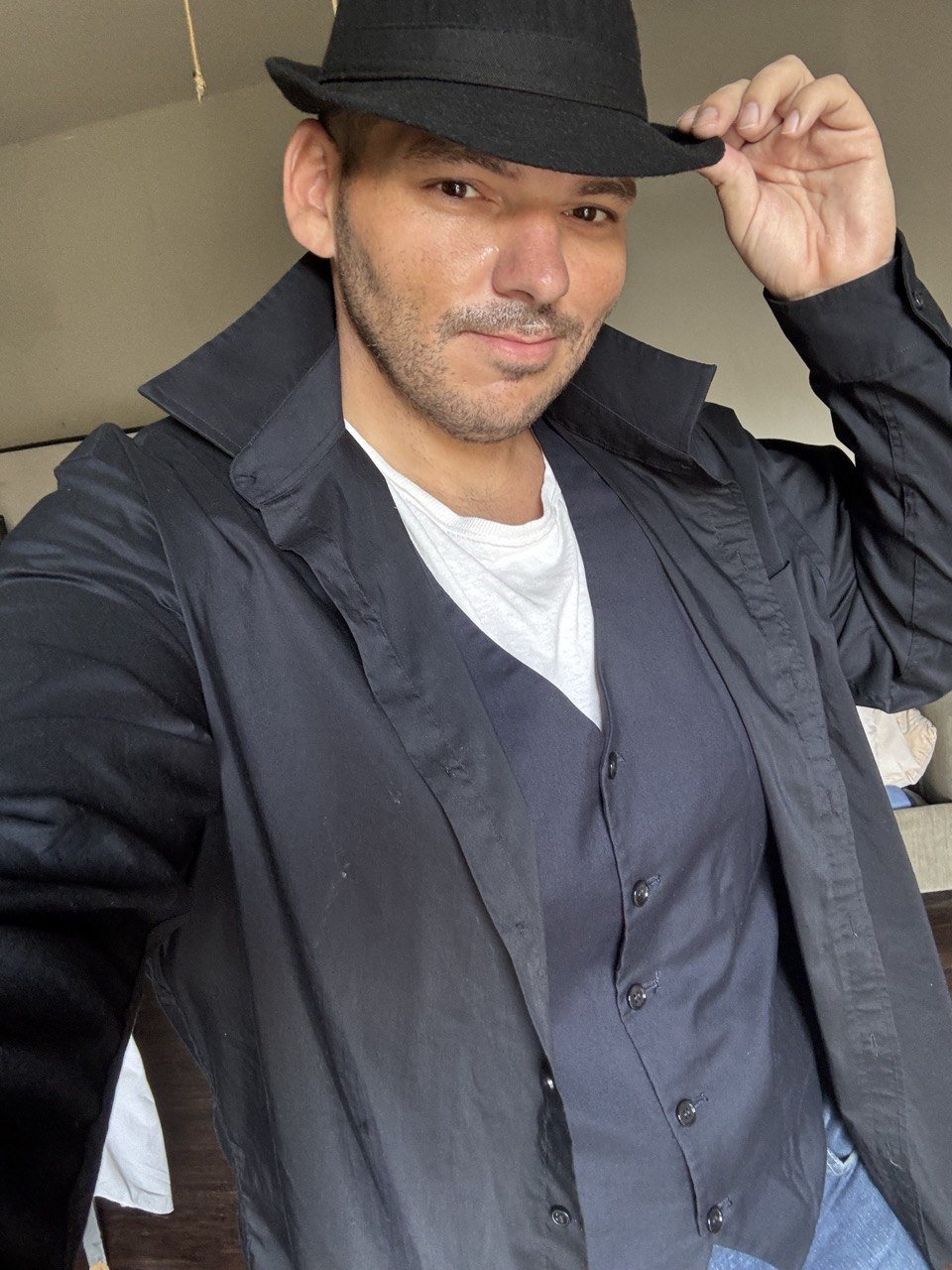
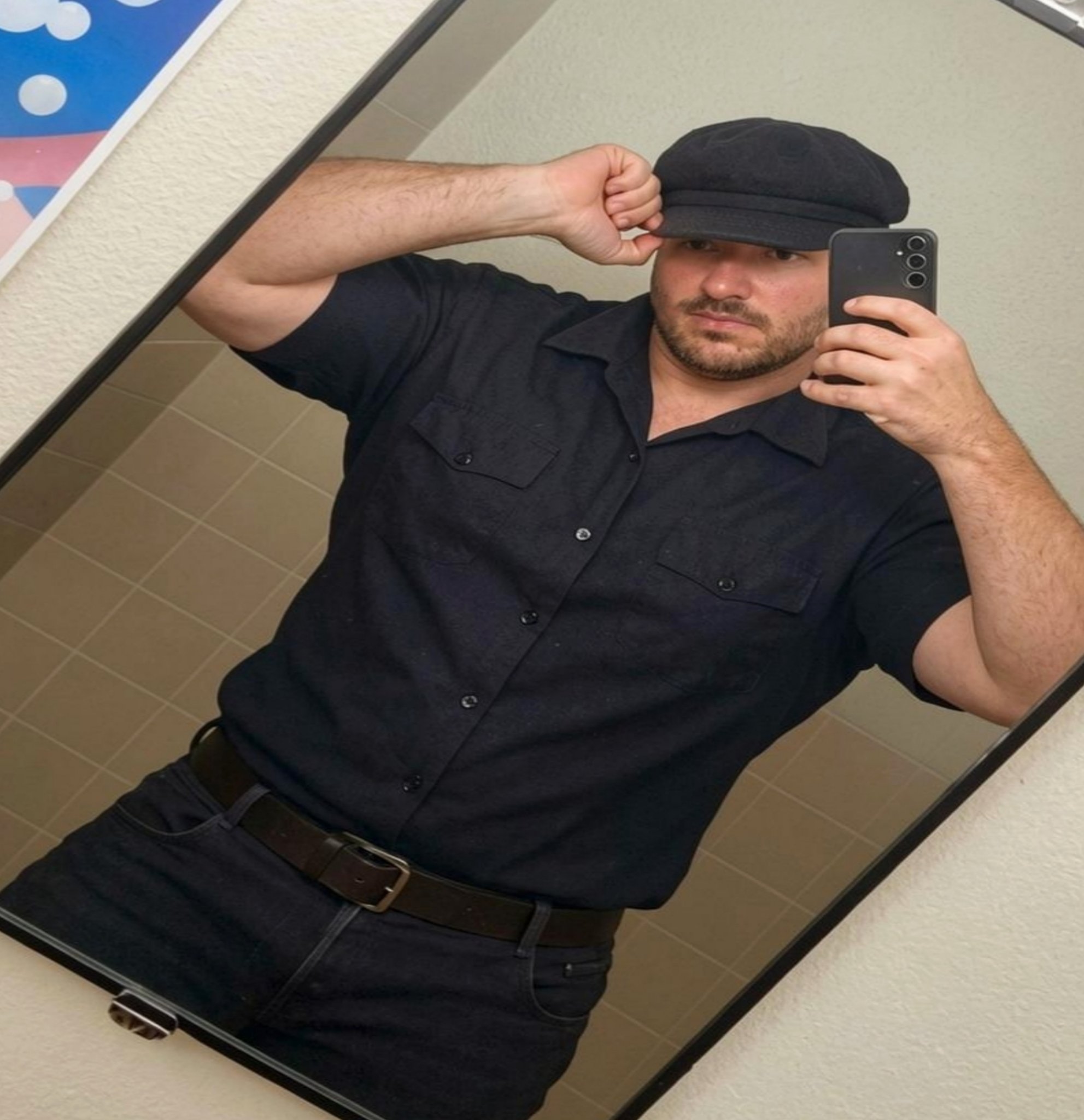
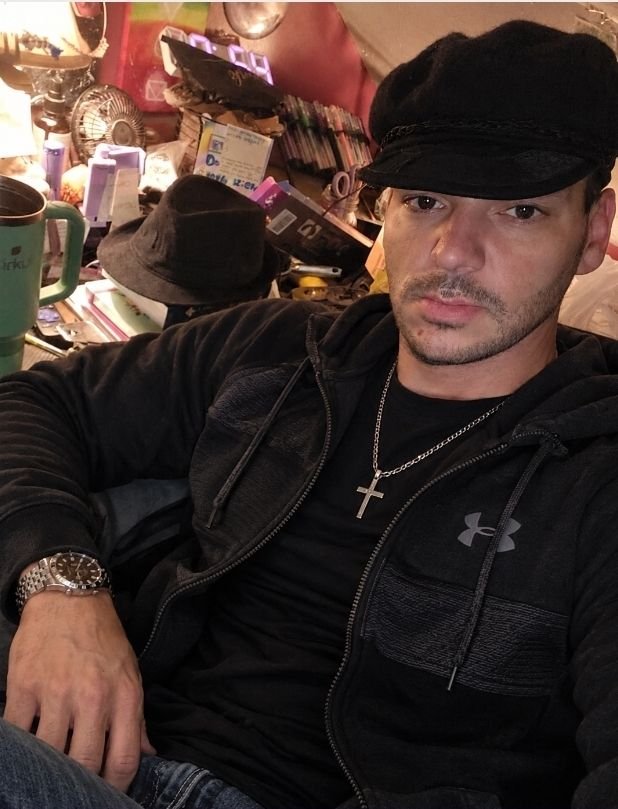
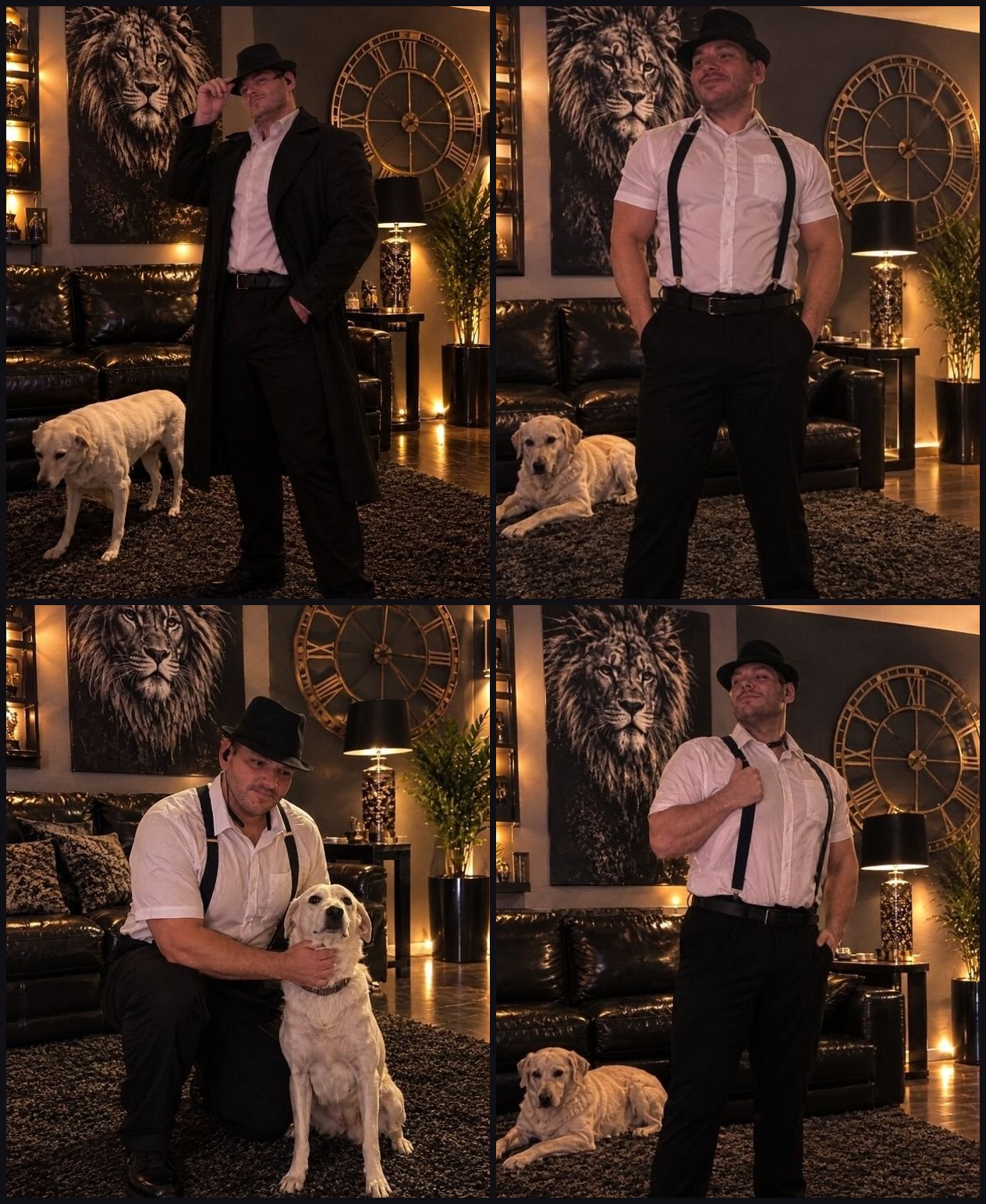
Robert Donaldson, in pictures